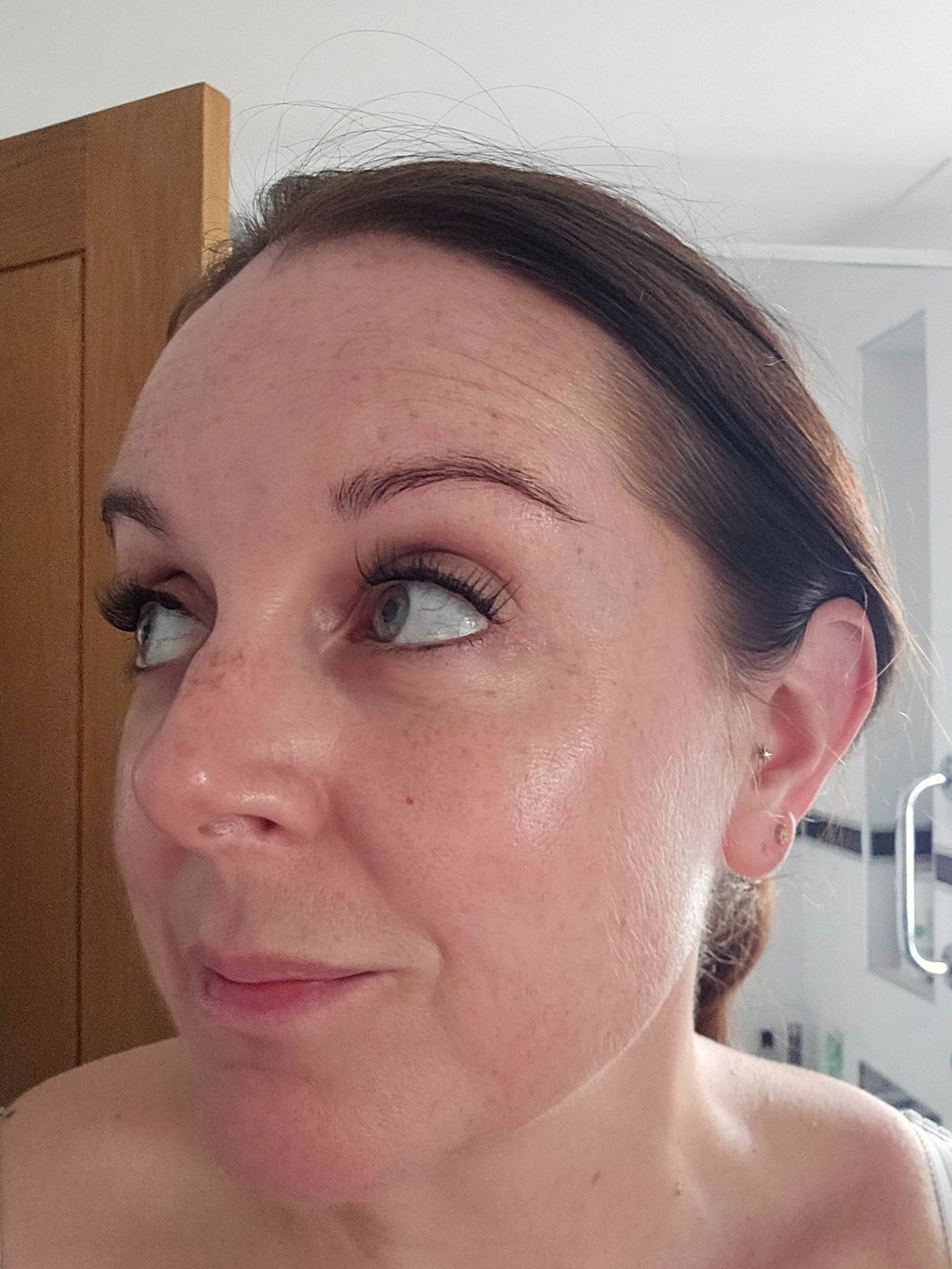
That annoying itch at the lash line can turn a polished eye look into something you cannot wait to remove. Lash irritation causes range from a simple lash fibre rubbing in the wrong place to a reaction to adhesive, skincare or a dirty lash band. The good news is that most discomfort is preventable when you identify what your eyes are reacting to and adjust your routine early.
DIY lashes should feel light, secure and comfortable. A little awareness during application helps you keep the salon-quality finish while protecting the delicate skin around your eyes.
The most common lash irritation causes
Irritation is not always an allergy, and that distinction matters. Sometimes the eye area is simply dry, the lash has been placed too close to the waterline, or a tiny bit of adhesive has made contact with skin it should not touch. In other cases, an ingredient or product build-up is the real issue.
Adhesive sensitivity or an allergic reaction
Adhesive is one of the first places to look if redness, itching, swelling or watering develops soon after application. Sensitivity can happen with any lash system, particularly if you have reactive skin, hay fever, eczema around the eyes or a history of cosmetic allergies.
A mild sensitivity may feel like a persistent itch or tenderness at the lash line. An allergic reaction can be more noticeable, with puffy lids, pronounced redness, stinging or symptoms that get worse over several hours. Do not try to cover this up with more make-up or wait for it to settle while keeping the lashes on. Remove them gently and stop using the product.
Even self-adhesive and pre-glued lashes, designed for a quicker and less messy routine, can cause trouble if the adhesive does not suit your skin. A patch test before a full application is the sensible move, especially with a new product or if you have reacted to lash glue before.
Lashes applied too close to the waterline
False lashes belong just above your natural lash line, not on the wet inner rim of the eyelid. When a band or cluster sits too low, it can scratch the eye, press on delicate skin and block the natural blink movement that keeps your eyes comfortable.
This is particularly common with individual clusters. The look may appear fuller when clusters are pushed in too close, but comfort should always win. Position each segment at the base of your natural lashes, leaving the waterline clear. If you can feel the lash every time you blink, it needs to come off and be repositioned.
A poor fit or sharp lash band
A strip that is too wide for your eye can lift at the inner or outer corner. That lifted edge may rub against the lid, collect make-up or poke the skin every time you blink. Clusters can create the same issue when a segment is too long for the inner corner or placed at an awkward angle.
Before application, hold the lash against your eye to check the fit. Trim a strip from the outer edge if needed, rather than cutting into the inner corner where the shortest fibres create the most natural finish. With clusters, choose shorter lengths towards the inner eye and avoid forcing a style beyond your natural lash line.
Product build-up and less-than-clean tools
Old mascara, eyeliner, eyeshadow fallout and leftover adhesive can all become trapped at the lash line. Add reused lashes that have not been cleaned properly, and the area can feel itchy or inflamed even when the lash itself is not the problem.
Clean tweezers before use and only apply lashes to a clean, dry eye area. If you reuse suitable lash styles, remove residual adhesive carefully and store them somewhere dry and protected. Never share lashes or tools, even with a close friend. The eye area is not the place to take chances with hygiene.
Skincare, eye make-up and removers
Your lashes may get blamed when a new eye cream, retinol product, cleansing balm or waterproof eyeliner is actually causing the irritation. Fragrance, active ingredients and oils can migrate into the eye area, especially overnight or when they are used too close to the lash line.
Think about what changed in your routine. If the irritation began after introducing a new product, pause it first. Oil-based removers can also affect adhesive wear and encourage rubbing during removal, which is rough on both your natural lashes and the skin around them.
How to tell irritation from an eye infection
A slightly itchy lash line after a long day may be irritation. Pain, sticky discharge, significant swelling, sensitivity to light or changes to your vision are not signs to ignore. They can point to an infection or another eye condition that needs professional advice.
Remove any false lashes straight away if your eye becomes sore, swollen or unusually red. Do not reapply lashes until the area is fully settled. Avoid wearing contact lenses and eye make-up while you wait for guidance, as both can worsen discomfort or make it harder to assess what is happening.
Seek urgent medical help for severe pain, vision changes, injury to the eye, or swelling that is spreading. For persistent redness, discharge or discomfort, speak to a pharmacist, optician, GP or eye-care professional. Beauty products should enhance your routine, never override eye health.
Prevent lash irritation before it starts
The fastest route to comfortable lashes is a clean, unhurried application. Start by washing your hands, then make sure your lids and natural lashes are free from oils, moisturiser and make-up residue. This helps adhesive sit where it should, rather than sliding onto surrounding skin.
Choose a style that fits your eye shape and the occasion. A soft, lightweight cluster look can be ideal for everyday wear, while a more dramatic style may suit an evening out. The goal is not to wear the fullest lash possible. It is to wear a lash that feels secure enough for you to forget it is there.
For a pre-glued lash or self-adhesive cluster, use clean tweezers to lift the segment from the tray without touching the adhesive strip more than necessary. Place it just above the natural lash line, beginning at the outer corner or centre depending on the application method. Press gently to secure it. Repeatedly pressing, pulling and repositioning can irritate the lid and weaken the adhesive.
If you use traditional glue, apply the smallest amount needed and allow it to become tacky before placement. Wet adhesive is more likely to move onto the skin or into the eye. More glue does not mean better wear - it usually means a messier removal and a greater chance of discomfort.
At the end of wear, never pull lashes off quickly. Soften the adhesive as directed for your lash type, then ease the strip or clusters away slowly. If they resist, stop and take more time. Your natural lashes are not worth sacrificing for a rushed removal.
What to do when your lashes start to itch
If the discomfort is mild and you are confident nothing has entered the eye, remove the lashes gently and rinse the eye area with clean water. Keep your hands away from your eyes, however tempting it is to rub. Rubbing can push fibres or adhesive further into the eye and make redness worse.
Take a break from lashes, mascara and eye make-up until the skin feels normal again. A cool, clean compress over closed eyes can feel soothing for minor irritation. Do not apply random creams, oils or leftover eye drops to the lash line unless a healthcare professional has advised them.
When you return to wearing lashes, change one variable at a time. Try a lighter style, check your placement, use freshly cleaned tools and patch test a new adhesive. This makes it much easier to pinpoint the cause than changing your whole routine at once.
Build a comfortable lash routine
Beautiful lashes should give you confidence, not a scratchy, watery-eyed feeling halfway through the day. Keep the application simple, choose styles that fit, and listen to even small signs of irritation before they become a bigger problem.
For a quick, polished routine, Lash Ribbons pre-glued cluster systems can help reduce the fuss of liquid adhesive application. Still, your best result comes from clean preparation, precise placement and taking your lashes off at the first sign that your eyes are not happy. Comfort is the finishing touch that makes any lash look feel truly effortless.