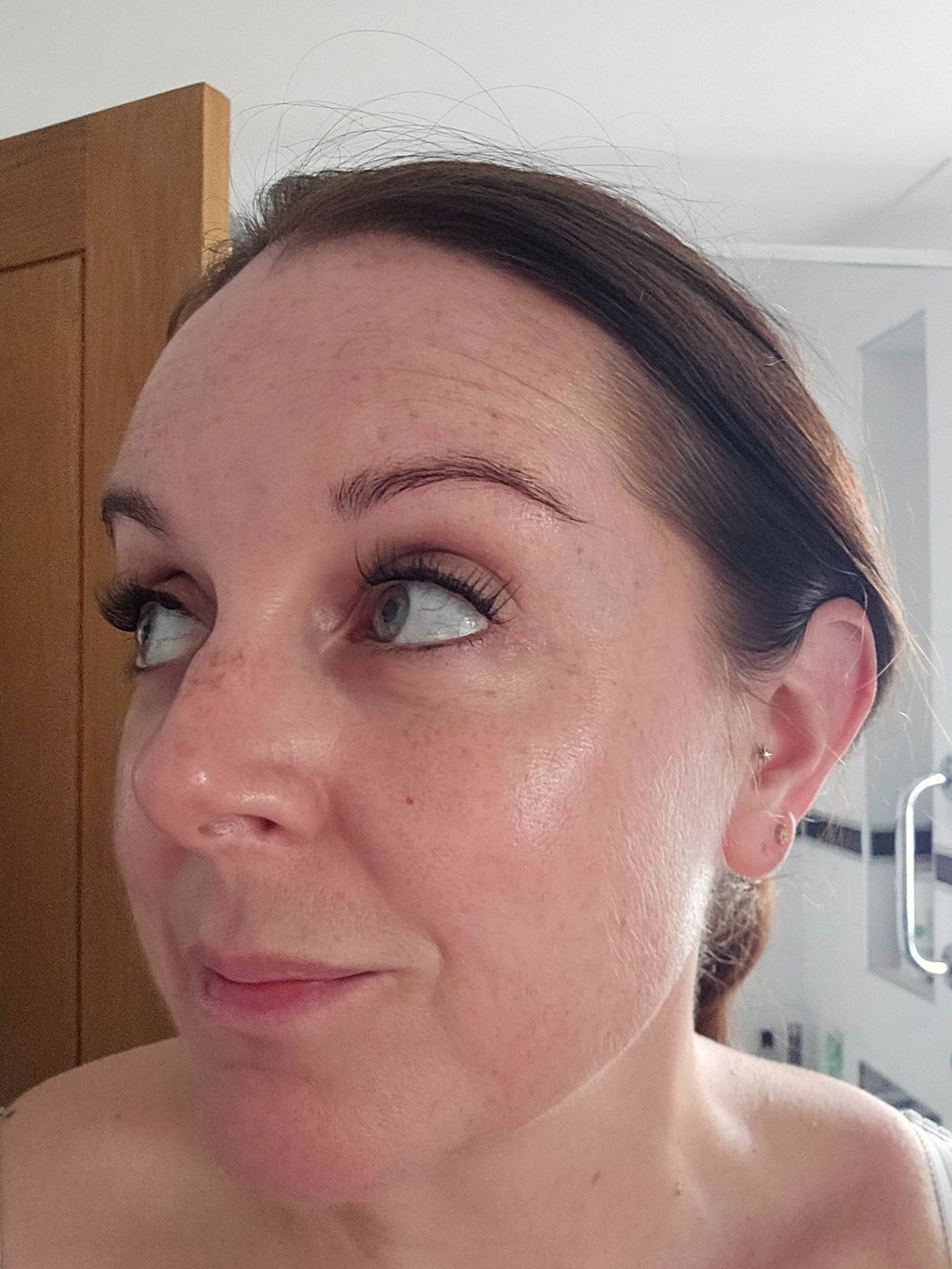
You can apply self-adhesive lashes perfectly in the morning and still find one corner lifting by lunch if the prep is off. If you are wondering how to make self adhesive lashes last longer, the answer is rarely more pressure or more fiddling. It usually comes down to clean lids, smart placement, and leaving the lash alone once it is on.
That is good news, because longer wear does not need a complicated routine. With the right habits, self-adhesive lashes can stay comfortable, neat, and secure for far longer than a rushed, straight-out-of-the-box application.
How to make self adhesive lashes last longer starts before application
The biggest mistake is applying lashes onto lids that still have skincare, foundation, or natural oil sitting on them. Even the best pre-glued or self-adhesive band will struggle if it is trying to grip over residue. If your lashes are slipping early, the issue often starts before the lash even touches your eye.
Begin with clean, dry eyelids. If you have already done your base, gently remove any product from the lash line with an oil-free remover or micellar water, then let the area dry fully. Heavy eye cream and rich SPF too close to the lash line can also shorten wear time, so keep those slightly lower on the orbital area where possible.
Natural oils matter too. Some people simply have oilier lids, especially later in the day or during warmer weather. In that case, a light dusting of translucent powder across the lid can help create a drier surface without making the area feel heavy. You do not need loads - just enough to reduce slip.
Get the placement right the first time
Self-adhesive lashes are designed for speed, but speed works best when the placement is precise. If you set the lash too high above your natural lash line, it may look fine at first but lose grip more quickly. If you place it on the skin rather than close enough to the lash line, movement from blinking can weaken the hold.
Aim to place the lash as close to your natural lashes as possible without sticking it onto the waterline. The sweet spot is right at the base, where the band can sit securely and blend naturally. Once it is in position, press gently along the band, focusing on the inner and outer corners. Those two areas tend to lift first, so they need the most attention.
Try not to keep removing and reapplying the same lash during one application session. Every time you lift it away, the adhesive picks up oil, powder, or tiny fibres, and the hold can weaken. If you miss the placement slightly, a small adjustment is better than starting over three or four times.
Why corners lift first
Inner and outer corners do more work than the centre of the lash. They deal with blinking, eye shape, and small facial movements all day. If your corners keep peeling away, trim or select a lash style that better suits your eye width. A band that is fractionally too long is much more likely to pop up at the edges.
This is where style choice matters. Dramatic, longer styles can look incredible, but they may feel less forgiving on oily lids or on days when you need all-day reliability. If your priority is wear time, a lighter or more flexible lash can sometimes outperform a heavier one.
Keep your fingers off once they are on
A lash that starts well can still fail early if you keep touching it. Pressing, adjusting, and checking the corners in the mirror every half hour can break down the adhesive faster than you think. The more the band is disturbed, the more likely it is to shift.
After application, give the adhesive a little time to settle. Avoid rubbing your eyes, pulling at the lash tips, or pinching the band repeatedly. If you wear your lashes for nights out, this matters even more. Heat, dancing, and busy environments already test the hold, so extra touching does not help.
If you need to blend your natural lashes with the false lash, do it gently. A light squeeze near the base is enough. Rough handling can lift the band and create gaps.
Be careful with eye makeup products
Mascara, eyeliner, and creamy shadow can all affect how long self-adhesive lashes stay put. That does not mean you cannot wear eye makeup, but product placement matters.
If you use eyeliner, keep it neat and allow it to set before applying the lash. Wet or creamy formulas along the lash line can interfere with adhesion. Mascara is best used sparingly and, in many cases, mainly on your natural lashes before application rather than layered heavily afterwards. Too much mascara can make the lash band stiff and harder to maintain.
Oil-based products are the main issue. If your liner, remover, or eye makeup contains a lot of oil, it can gradually loosen the adhesive. For longer wear, choose lighter, long-wear formulas around the eyes and save rich removers for the end of the day.
How to make self adhesive lashes last longer during the day
Once your lashes are on, wear time becomes an aftercare issue. Steam, sweat, and oil are the main reasons a good set starts to lift. If you know you will be out all day, travelling, or going somewhere warm, it helps to be a bit strategic.
Avoid direct steam right after application, so leave the very hot shower for later if you can. If your skin tends to get shiny, blot around the eye area carefully rather than wiping. When you are doing touch-ups, dab instead of dragging product across the lid.
Weather and plans matter as well. A soft, fluttery lash for brunch is one thing. A full-glam style for a humid evening event is another. There is no single rule for every day, and that is worth remembering. If you want maximum longevity, match the lash style to the occasion rather than automatically reaching for the fullest set.
If you wear lashes for long hours
For extended wear, comfort and hold usually go hand in hand. If a lash feels heavy or awkward, you are more likely to touch it, and that shortens wear. A salon-quality finish should still feel easy enough to forget about once it is on.
This is why many at-home lash users prefer a style that gives impact without too much bulk. Convenience is not just about fast application. It is also about staying power that does not need constant mirror checks.
Clean lashes last better next time
If your self-adhesive lashes are suitable for reuse, how you remove and store them makes a real difference to future wear. Pulling them off roughly, leaving makeup on the band, or tossing them into a makeup bag can reduce performance the next time around.
Remove the lash gently from the outer corner and work inwards without yanking. Once off, clean away any residue carefully so the band stays neat and flexible. The exact cleaning method depends on the lash type, so always follow the product guidance, but the general rule is simple: keep the band clean, dry, and in shape.
Storage matters more than people think. Placing lashes back in their original tray helps them hold their curve and keeps dust and fluff off the adhesive area. If the band gets coated in handbag debris, wear time will drop quickly on the next application.
Small habits that make a big difference
Longer-lasting lashes are usually the result of a few simple habits done consistently. Clean lids, accurate placement, less touching, and proper storage sound basic, but they are what separate a lash that lasts a few hours from one that stays polished deep into the evening.
If you are still having issues, look at the pattern rather than assuming the lashes are the problem. If they always lift at the inner corner, your placement may be too high. If they slide after skincare, oil is likely interfering. If they stop gripping after one use, cleaning or storage may need adjusting. Small fixes usually give the fastest results.
For anyone building a quicker beauty routine, that is the real win. Self-adhesive lashes should feel easy, look polished, and give you salon-style impact without the mess of traditional glue. Once you know what affects wear time, getting them to last longer becomes far less trial and error - and a lot more second nature.